Please upgrade to the latest version of Flash Player.
Regular eye exams are an invaluable tool in maintaining eye health by detecting and preventing disease. Some diseases, such as glaucoma, develop gradually without causing pain or vision loss, so patients may not notice that anything is wrong until significant and irreversible damage has been done. Early detection of eye diseases can allow for a choice of treatment options and reduced risk of permanent damage.
Who should get an eye exam?
Patients should see their doctor for a comprehensive eye exam every one to three years, depending on their age, risk of disease and overall physical condition. Children should have regular tests to ensure the proper development of their vision and prevent any interference with their academic achievements. Older adults are often at a higher risk for eye conditions such as glaucoma, macular degeneration and cataracts. Even if your eyes are healthy, you should still have a regular eye exam to detect any problems as soon as possible and begin necessary treatment.
The most common eye conditions diagnosed during a comprehensive eye exam involve refractive errors that cause blurry vision for patients. These conditions affect millions of people in the US and often get progressively worse as patients age. Fortunately, refractive errors can be easily treated to let patients enjoy clear vision at all distances.
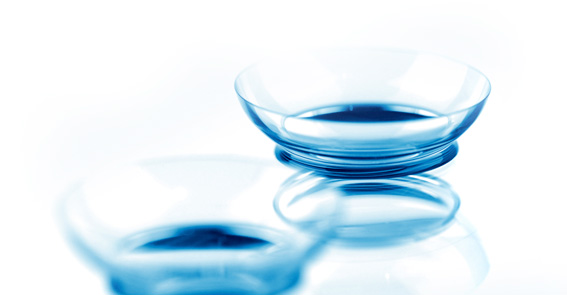
All of these vision conditions can be effectively corrected through eyeglasses and contact lenses. Eyewear may be used during certain activities, such as watching television or driving, or at all times. At our practice, we offer patients a wide selection of eyeglass frames and lenses in our Optical Shop. We also offer contact lens fittings.
Disposable LensesĀ Disposable soft lenses are intended to be thrown out and replaced after you've worn them for a certain length of time. This makes them even easier to maintain than regular soft contacts. Many disposable lenses are designed for replacement each morning, every two weeks, or even every three months. Daily-wear disposables are worn during waking hours only, while extended-wear disposables can be worn for longer periods.
Rigid, gas-permeable contacts offer several benefits over soft lenses. They: